As a graduation gift to myself, I planned to visit Tucson sometime between finishing school and starting my job. My parents, however, were horrified at the thought of me visiting Southern Arizona, alone, in the middle of the summer heat. Instead, my Mom and I decided to fly into Tucson together for a few days at the start of my spring break, then drive over to meet my family in California to spend the rest of our vacation together. While I’m normally accommodating while traveling with non-birders, I warned her that Arizona birding was a dream of mine, and I wanted to birdwatch basically nonstop the entire time we were there. Especially because March is right around the start of spring migration. She said that was fine, so I set about creating our itinerary.
Having googled the best places in Arizona for birding, my mom found us an AirBnB in Patagonia for the first two nights and a hotel in Tucson for the last one. Our flights both landed in Tucson at around noon. Unfortunately, to squeeze Arizona into my spring break, I had to leave on Tuesday morning of my finals week. All my classes were project-based, so I placed myself in homework purgatory to finish everything nearly a week before it was due. After unceremoniously submitting my last assignment at 2pm on Saturday, I let myself relax for an afternoon before launching into Arizona prep. I had two whole days to figure out where to go and what species to be looking for.
On Sunday and Monday, joining my roommate’s study sessions, I sat down to prepare. I played to my strengths and made a spreadsheet. After reading countless blogs, Arizona birdwatching guides, online discussions, and eBird checklists, I compiled all my top hotspots, with separate columns to show travel times and expected species. In a separate table, I made a detailed itinerary, including where we’d be having our meals (to avoid wasting time) and approximate times we should be arriving and leaving each location. And, of course, I made a list of every single unfamiliar bird we had a possibility of seeing, complete with identification tips and where we had the highest likelihood of finding them. In the process, I subscribed to a lot of local bird alerts and discussions, so I could get real-time updates and switch to any of my backup plans if needed.
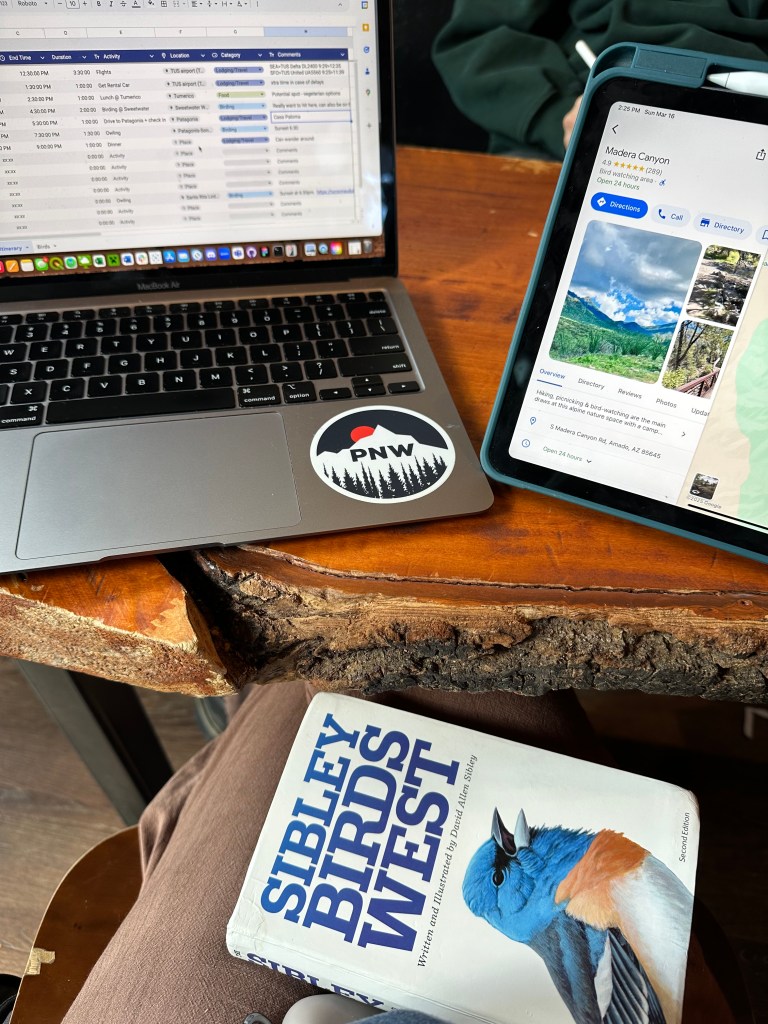
I showed my roommates, who couldn’t believe I’d spent the last two days on birdwatching spreadsheets while they’d been working on finals, and my mom, who was probably already regretting the trip. I was absolutely beside myself with anticipation. I’d already dreamt about birds the last three nights in a row. Tuesday morning couldn’t come fast enough, and after a brief scare of nearly missing my flight (I underestimated how long security would take) I was en route to Tucson.
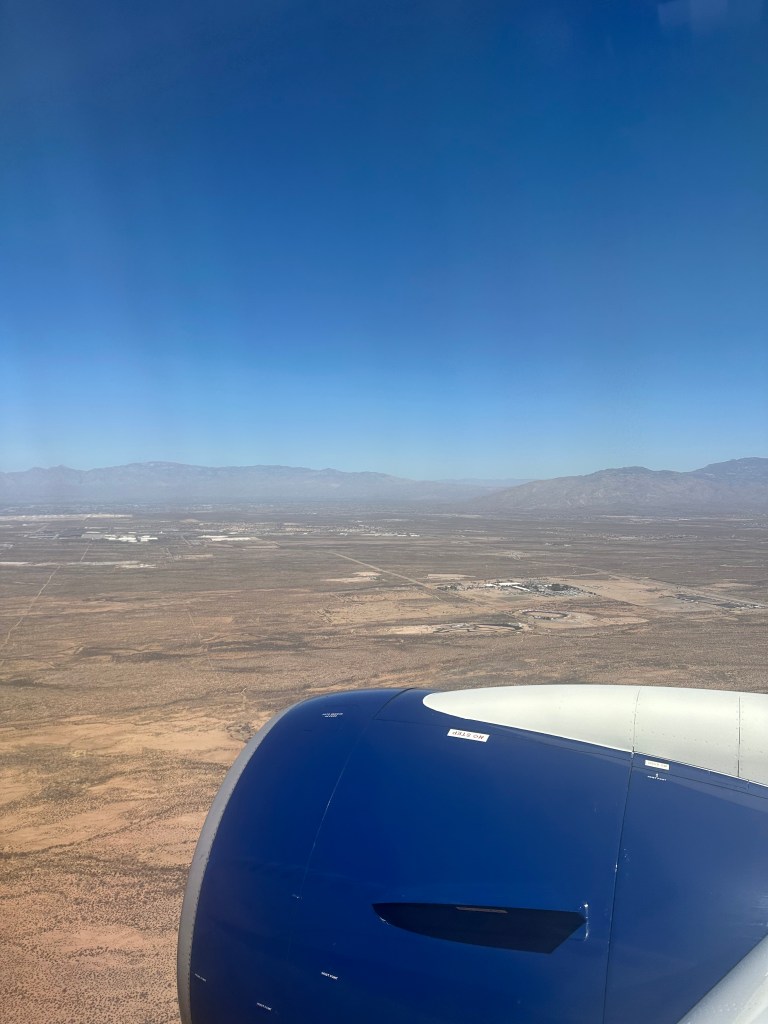
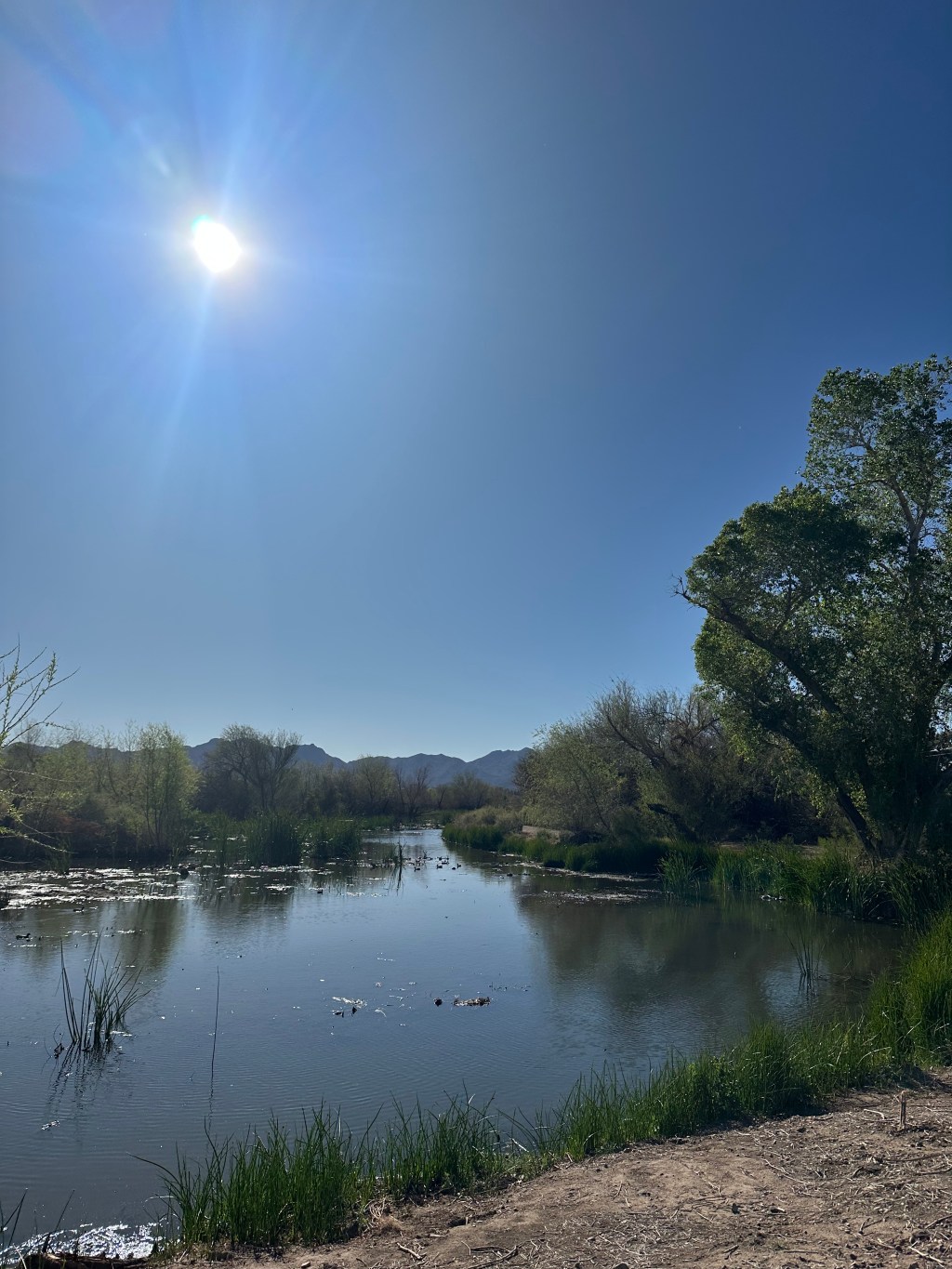
I spent the entire flight reviewing bird calls and trying not to explode. With my nose smashed against the filthy plane window, I was about ready to parachute my way down. After the slowest landing of my life and an absolute pain of a rental car pickup, my mom and I loaded our bags into the car and grabbed lunch at a subpar vegan place before hitting our first hotspot—Sweetwater Wetlands. Situated right off the highway and by a series of truck dealerships, the wetlands weren’t exactly the most picturesque, but one of Tucson’s greatest birding spots nonetheless. The car was barely in park before I flung open the door and started towards some Gambel’s Quail and an Abert’s Towhee in the parking lot, taking pictures while blabbering about what made THESE quail and towhees different than the nearly identical Californian variety my mom had in her backyard.
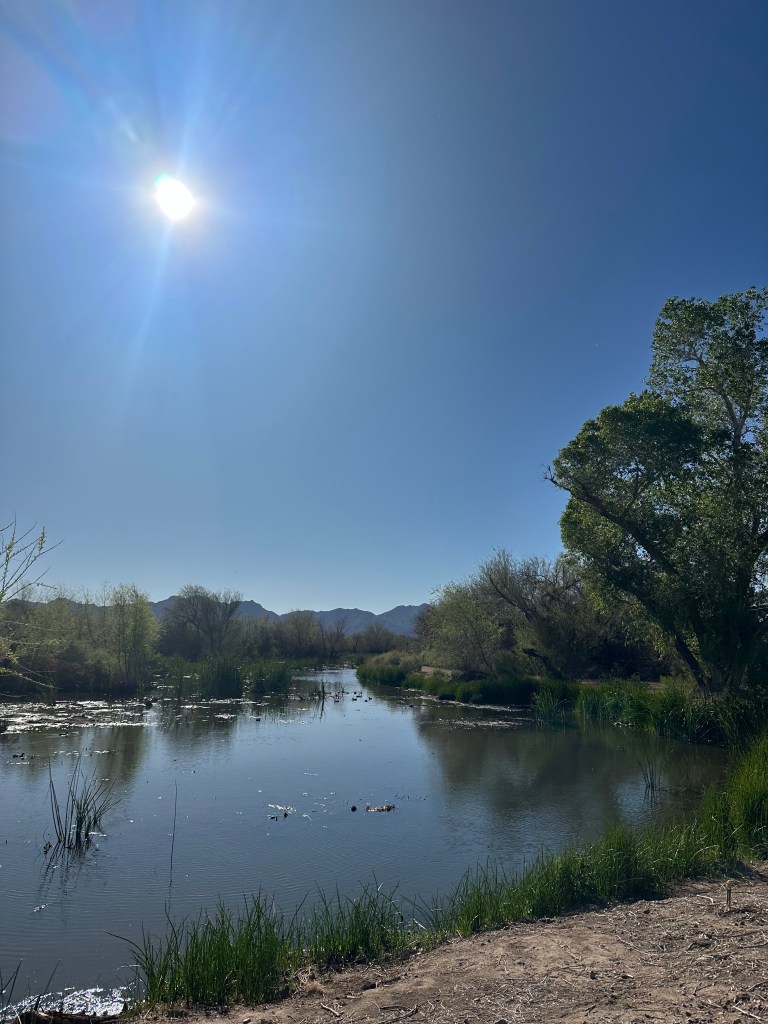
Sweetwater was the perfect amount of both incredible and overwhelming. It looked straight out of an information placard—every part of the water dotted with different species of duck, flycatchers and blackbirds on the cattails, warblers fluttering in every bush, and countless swallows soaring overhead.
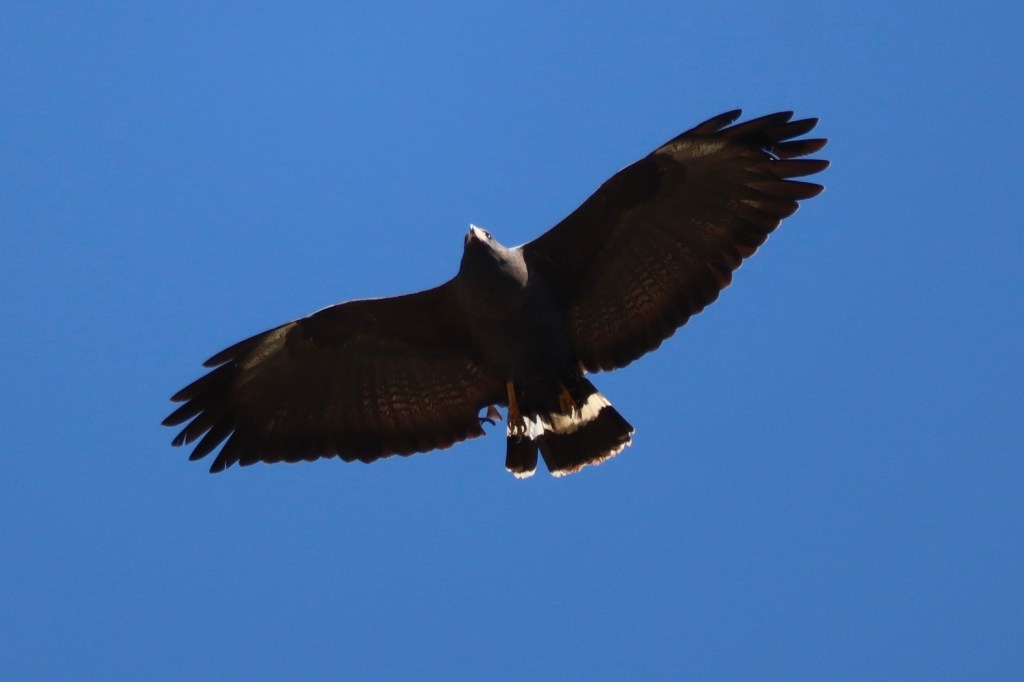
Almost all the common birds were new for me, so it was tough to keep up. I struggled to remember the hundreds of bird calls I’d been studying for the last two days only, and even slipped up on some of the birds I already knew, like an Orange-crowned Warbler I forgot could exist. But I loved it. My favorites were the flashy Redhead by the entrance of the wetlands, and a striking Common Black Hawk that flew right overhead.

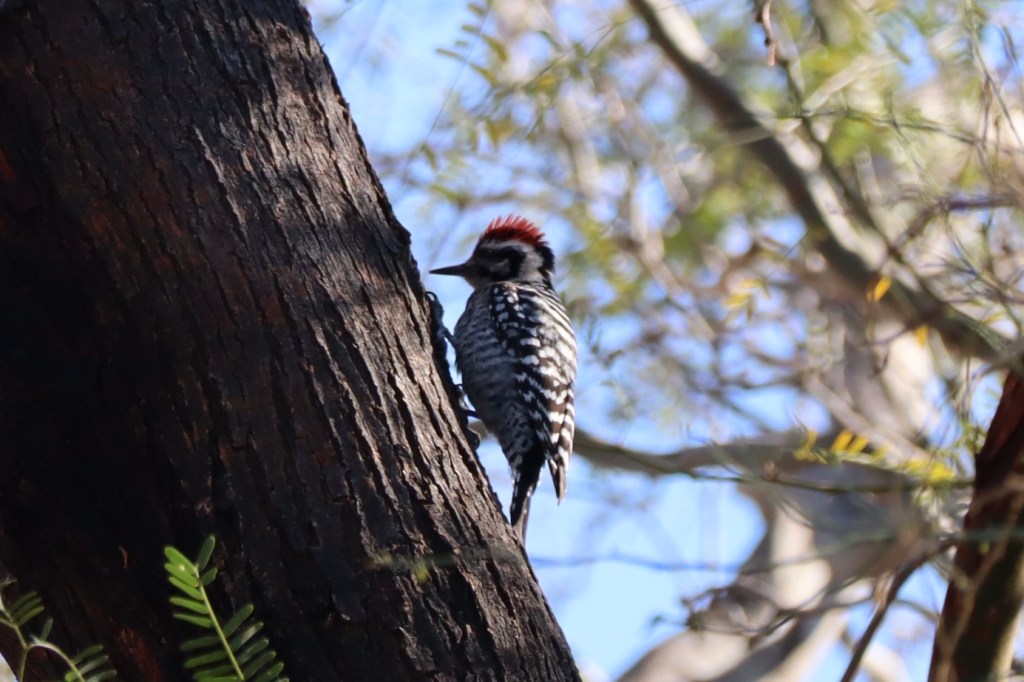
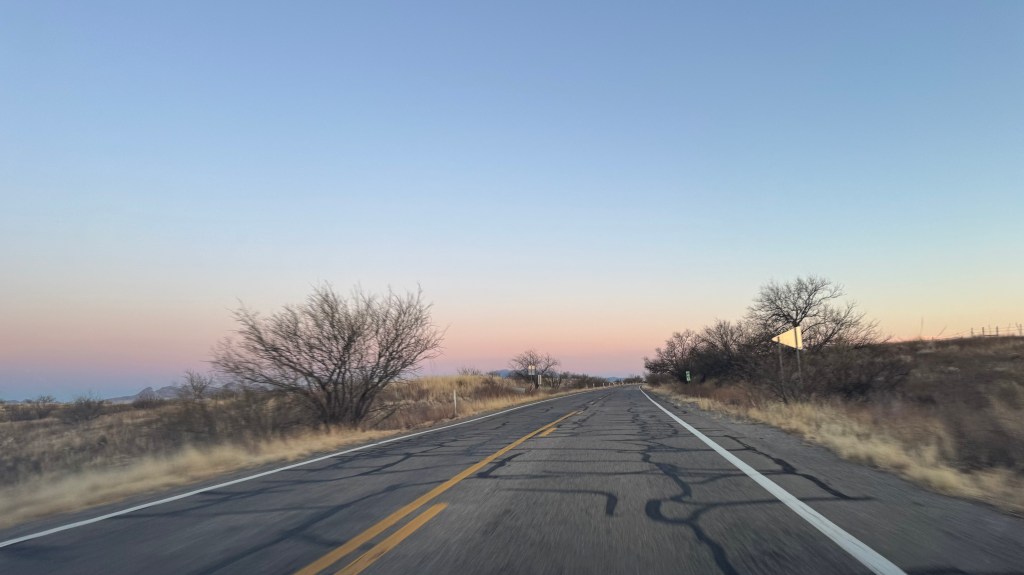
In a little over an hour and a half, we finished the mile loop back to the parking lot. Sunset wasn’t quite as early as Seattle in the winter, but it was already 5:30, and we still needed to make our way to Patagonia. After leaving Sweetwater, we stopped at a Trader Joes to load up on food for breakfast and lunch. I knew we’d be awake and birding before most breakfast places open, and I didn’t want to waste time leaving a hotspot to go grab food. With lots of yogurt, granola bars, trail mix, and sandwich ingredients, we reached our place in Patagonia right around dusk.
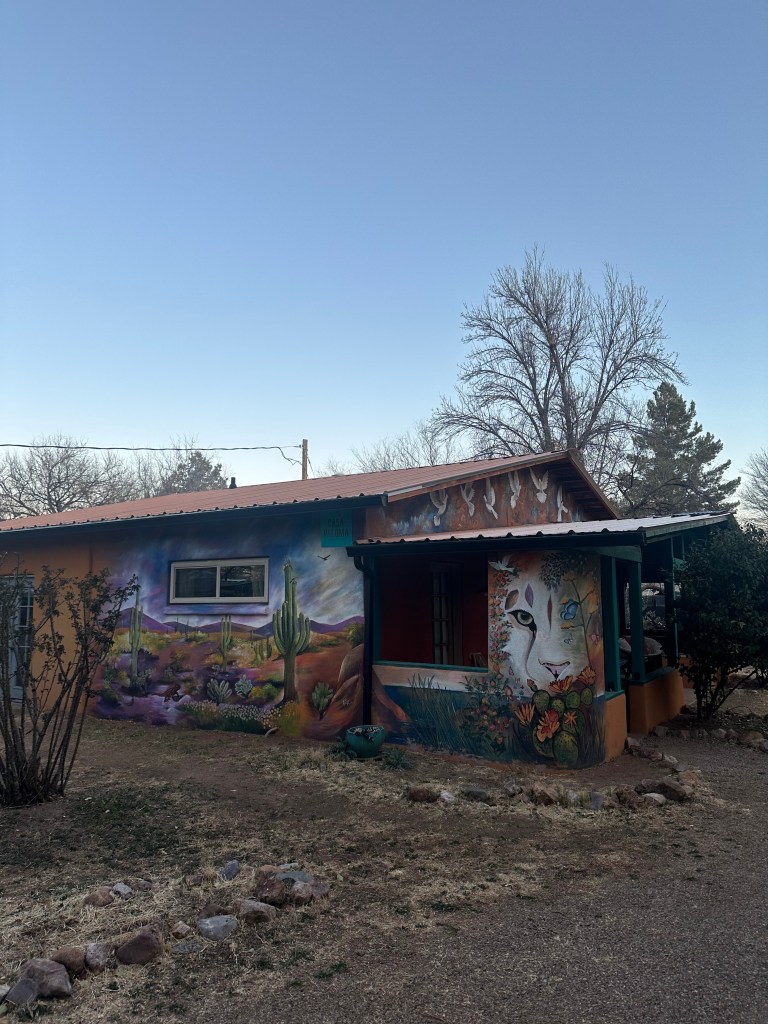
It was a cute little retreat—only a couple standalone units around a shaded gravel courtyard, with one or two rooms per building. One side of our place had a massive desert mural, and we also had an outdoor patio with a tiled table and a couple chairs. String lights hung around the courtyard, making it cozy and inviting. Inside, we had one large room and a bathroom, with a simple kitchen in the corner and a giant king bed in the middle.
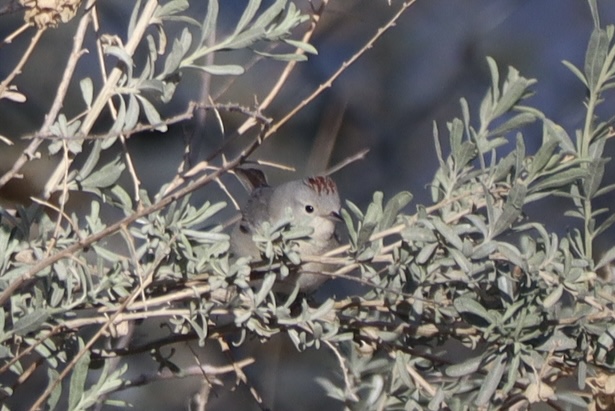
I wasted no time in downloading my pictures. Even though I have a fairly small lens, most birds were close enough that I got some pretty good shots. I showed every cool one to my mom, along with whatever fun fact I could remember (“did you know Lucy’s Warblers were named after Lucy Hunter Baird, the daughter of an ornithologist?”).
After a quick dinner at the only restaurant in Patagonia, a small bar with burgers and fries, we were in bed by 9. My camera charging and bag packed for tomorrow morning, I set my alarm and dreamt of birds.
 Summer Delehanty's Portfolio
Leave a comment